

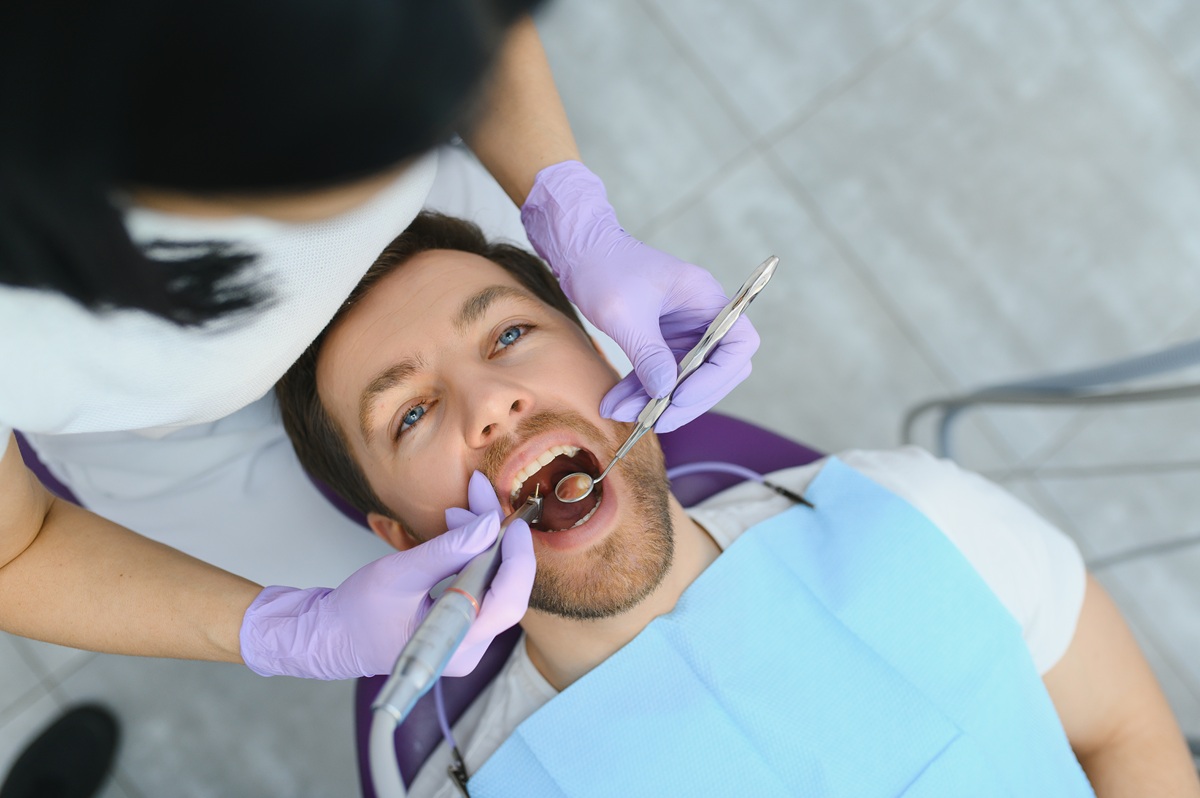
For many people, visiting the dentist becomes something they put off until there’s pain or discomfort. But routine dental exams are designed to prevent problems long before they become serious. A regular checkup is one of the simplest ways to protect your smile, catch issues early, and maintain your overall oral health.
At Gold Standard Family Dental, patients often ask what actually happens during a routine dental exam and whether the appointment is uncomfortable. The good news is that a standard dental visit is usually quick, gentle, and highly beneficial for patients of all ages.
If you’re looking for a trusted Dentist in Odessa, understanding the process can help you feel more confident about scheduling your next visit.
Why Routine Dental Exams Matter
Even if your teeth feel fine, dental issues can develop quietly. Cavities, gum disease, enamel wear, and infections may not show noticeable symptoms in the beginning. Regular exams allow your dentist to identify these concerns early when treatment is usually easier and more affordable.
Routine dental visits also help:
- Prevent plaque and tartar buildup
- Reduce the risk of gum disease
- Detect oral cancer early
- Monitor existing dental work
- Keep breath fresh and teeth clean
- Support overall health and wellness
In a growing community like Odessa, where busy schedules often make healthcare easy to postpone, keeping up with preventive dental care can save time and stress later.
What Happens During a Routine Dental Exam?
Every dental office may have a slightly different process, but most routine exams follow similar steps.
1. Reviewing Your Dental and Medical History
Your appointment usually begins with a conversation about your health history. The dental team may ask about:
- Current medications
- Existing medical conditions
- Recent dental concerns
- Tooth sensitivity or pain
- Changes in your gums or bite
This information helps your dentist understand any factors that could affect your oral health.
2. Digital X-Rays (If Needed)
Not every visit requires X-rays, but they are often recommended periodically to check areas that can’t be seen during a visual exam.
Digital X-rays can help detect:
- Cavities between teeth
- Bone loss
- Impacted teeth
- Infections
- Cracks or hidden damage
Modern dental imaging uses very low radiation levels and provides fast, detailed results.
3. Professional Teeth Cleaning
One of the most important parts of your visit is the professional cleaning. Even excellent brushing and flossing habits can leave behind plaque in hard-to-reach areas.
During the cleaning, a dental hygienist will:
- Remove plaque and tartar buildup
- Polish your teeth
- Floss between teeth
- Check for gum inflammation
Many patients leave this part of the appointment feeling refreshed because their teeth feel noticeably cleaner and smoother.
4. Gum Health Evaluation
Healthy gums are essential for maintaining healthy teeth. Your dentist or hygienist may measure the spaces around your teeth to check for signs of gum disease.
Early gum disease often causes:
- Bleeding while brushing
- Swollen gums
- Bad breath
- Gum tenderness
Catching these symptoms early can help prevent more advanced periodontal problems.
5. Full Oral Examination
Next, the dentist carefully examines your teeth, gums, tongue, jaw, and mouth tissues.
They may look for:
- Cavities
- Worn fillings
- Cracked teeth
- Bite alignment issues
- Signs of grinding or clenching
- Oral cancer symptoms
This thorough evaluation helps create a complete picture of your oral health.
6. Discussing Treatment Recommendations
If your dentist notices any concerns, they’ll explain the findings and recommend treatment options. You’ll also receive guidance on improving your home care routine.
This is a great time to ask questions about:
- Whitening options
- Tooth sensitivity
- Orthodontic concerns
- Cosmetic treatments
- Preventive care tips
A good dental team wants patients to feel informed and comfortable, not rushed.
How Long Does a Routine Dental Exam Take?
Most routine dental exams and cleanings take about 45 minutes to one hour. If it’s your first visit or additional treatment is needed, your appointment may take a little longer.
Patients with dental anxiety are often surprised by how smooth and comfortable modern dental visits can be.
How Often Should You Schedule Dental Exams?
For most people, visiting the dentist every six months is recommended. However, some patients may need more frequent visits depending on their oral health needs.
More frequent exams may be suggested if you:
- Have gum disease
- Smoke or use tobacco
- Are prone to cavities
- Have diabetes
- Wear braces or dental appliances
Your dentist will recommend a schedule that fits your individual needs.
Signs It’s Time to Schedule a Dental Visit
Even if you’re between regular appointments, certain symptoms should never be ignored.
Watch for:
- Tooth pain
- Bleeding gums
- Persistent bad breath
- Sensitivity to hot or cold
- Loose teeth
- Jaw discomfort
- Swelling in the gums
Delaying treatment can often make small issues more complicated.
Making Dental Visits Easier for Families
Routine dental care is especially important for children and busy families. Many Odessa families prefer scheduling preventive appointments together to make oral healthcare more convenient.
Helping children build positive dental habits early can reduce fear and encourage lifelong oral health.
Simple Tips to Keep Your Smile Healthy Between Visits
A healthy smile starts at home. Here are a few simple habits that make a big difference:
- Brush twice daily with fluoride toothpaste
- Floss every day
- Limit sugary snacks and drinks
- Drink plenty of water
- Replace your toothbrush every 3–4 months
- Avoid using teeth as tools
Consistent home care combined with professional exams creates the best long-term results.
Keep Your Smile Healthy with Preventive Care
Routine dental exams are about far more than just cleaning teeth. They help prevent future problems, protect your overall health, and keep your smile looking its best.
If you’re searching for a reliable Dentist in Odessa who focuses on patient comfort and preventive care, Gold Standard Family Dental is committed to helping families maintain healthy, confident smiles through every stage of life.
Scheduling regular dental visits today can help you avoid bigger dental concerns tomorrow.
FAQs
Are routine dental exams painful?
Routine exams are generally comfortable. Cleanings may cause mild sensitivity for some patients, but most people experience little to no discomfort.
Do I need X-rays at every appointment?
Not always. Your dentist will recommend X-rays based on your dental history, age, and oral health needs.
What if I haven’t visited the dentist in years?
That’s okay. Dental teams regularly help patients who are returning after long gaps in care. The goal is to help you move forward comfortably without judgment.
Can dental exams detect other health issues?
Yes. Dentists can sometimes identify signs of medical conditions such as vitamin deficiencies, infections, diabetes-related symptoms, and oral cancer during exams.
How can I prepare for my appointment?
Brush and floss before your visit, bring a list of medications, and make note of any symptoms or concerns you’d like to discuss.