

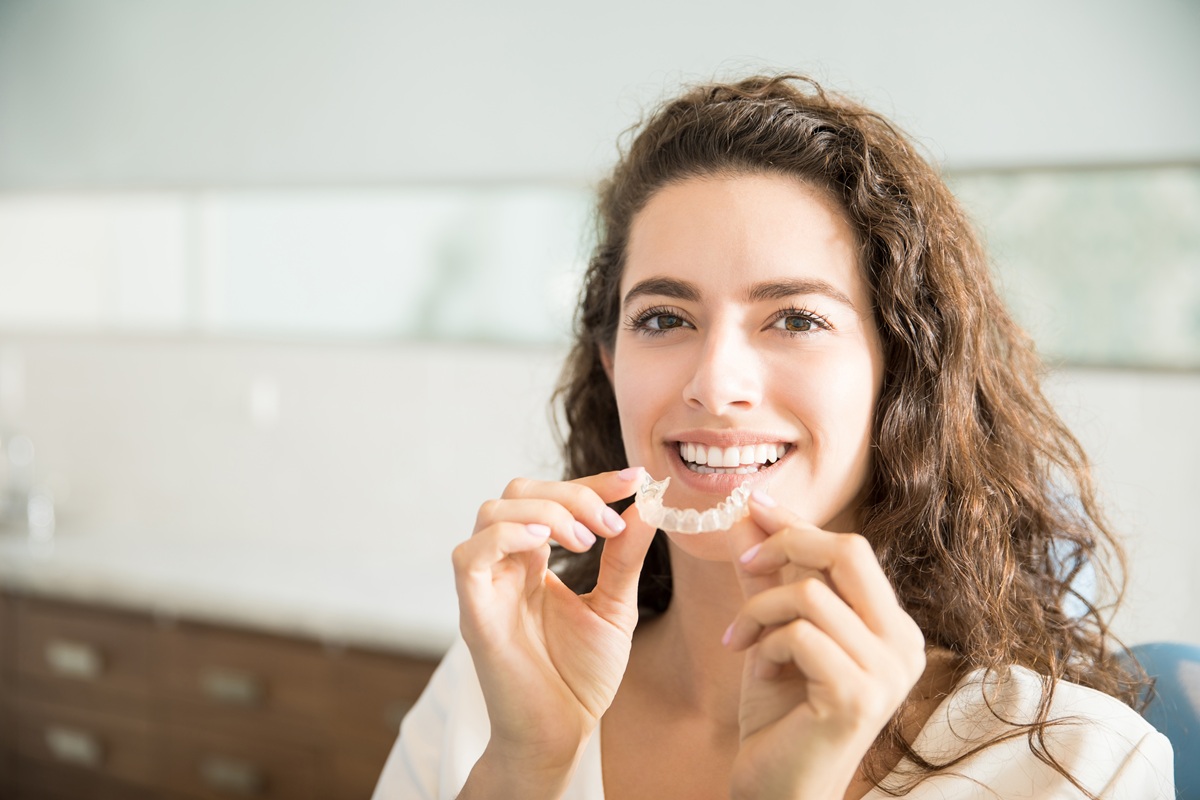
A healthy smile is about more than straight teeth. The way your upper and lower teeth fit together plays a major role in your comfort, oral health, and confidence. Bite problems can lead to headaches, jaw pain, uneven tooth wear, and even difficulty chewing certain foods. Many people assume traditional braces are the only solution, but modern Invisalign have changed the way orthodontic care works.
For patients in Odessa looking for a discreet and comfortable treatment option, Invisalign has become a popular choice for correcting mild to moderate bite issues while helping people maintain their everyday routines.
At Gold Standard Family Dental, patients often ask whether Invisalign can truly fix bite alignment concerns. The answer depends on the type and severity of the issue, but in many cases, Invisalign can be highly effective.
What Is a Bite Problem?
A bite problem, also called a malocclusion, occurs when the teeth do not align properly when the mouth closes. Some bite concerns are noticeable right away, while others develop gradually over time.
Common bite problems include:
- Overbite – Upper teeth overlap the lower teeth too much
- Underbite – Lower teeth sit in front of upper teeth
- Crossbite – Some upper teeth fit inside the lower teeth
- Open bite – Front teeth do not touch when the mouth closes
- Crowding or spacing issues – Teeth shift out of alignment and affect the bite
These conditions may seem cosmetic at first, but they can impact overall oral health if left untreated.
Signs Your Bite May Need Attention
Many adults and teens live with bite problems for years without realizing the long-term effects. Some signs that may indicate an alignment issue include:
- Frequent jaw discomfort
- Teeth grinding or clenching
- Difficulty chewing evenly
- Speech changes
- Uneven tooth wear
- Chronic headaches
- Clicking or popping in the jaw
If these symptoms sound familiar, a dental evaluation can help determine whether orthodontic treatment may improve both function and comfort.
How Invisalign Works
Invisalign uses a series of custom-made Invisalign designed to gradually move teeth into better alignment. Each set of aligners is worn for about one to two weeks before switching to the next stage in the treatment process.
Unlike metal braces, Invisalign trays are:
- Removable
- Nearly invisible
- Comfortable to wear
- Easy to clean
- Convenient for eating and brushing
Patients appreciate being able to continue enjoying local Odessa favorites, whether that means grabbing barbecue with friends or attending school and work events without worrying about brackets or wires.
Can Invisalign Correct Bite Problems?
Yes, Invisalign can help improve many bite concerns. Advances in aligner technology allow dentists to treat more complex alignment issues than ever before.
Overbite
An overbite can place extra pressure on front teeth and jaw muscles. Invisalign gradually shifts the teeth and jaw positioning to create a healthier balance.
Underbite
Mild to moderate underbites may respond well to Invisalign. Correcting this issue can improve chewing ability and reduce stress on teeth.
Crossbite
Crossbites can lead to uneven wear and gum recession if untreated. Invisalign helps reposition teeth to improve alignment and function.
Open Bite
People with open bites often struggle with biting into foods properly. Invisalign treatment can help guide teeth into a more natural position.
Crowding and Spacing
One of the most common reasons patients seek orthodontic treatment is crowded or unevenly spaced teeth. Aligners can gently create better spacing and improve overall bite balance.
Benefits Beyond Appearance
Straightening teeth often improves confidence, but the health benefits are equally important.
Easier Cleaning
Crowded teeth can trap food and plaque in hard-to-reach areas. Better alignment makes brushing and flossing more effective.
Reduced Tooth Wear
When teeth do not align correctly, certain areas experience excessive pressure. Correcting the bite can help prevent premature enamel wear.
Improved Jaw Comfort
Balanced alignment may reduce jaw tension, headaches, and strain caused by uneven biting patterns.
Better Long-Term Oral Health
Addressing bite concerns early may help lower the risk of future dental complications such as chipped teeth, gum problems, or TMJ discomfort.
Who Is a Good Candidate?
Not every bite issue can be corrected with Invisalign alone. Severe jaw alignment problems may require additional orthodontic or surgical treatment.
However, many teens and adults are good candidates for Invisalign, especially those with:
- Mild to moderate bite issues
- Crooked teeth
- Gaps between teeth
- Relapse from previous orthodontic treatment
A professional consultation is the best way to determine the right treatment approach.
What to Expect During Treatment
The process typically begins with a digital scan of the teeth. Modern imaging technology allows patients to see a preview of how their smile may look after treatment.
Treatment timelines vary depending on the complexity of the case, but many patients complete Invisalign treatment within 12 to 18 months.
For successful results, aligners should usually be worn 20 to 22 hours each day.
Patients also appreciate that Invisalign appointments are often shorter and less frequent than traditional orthodontic visits, making treatment easier to fit into busy Odessa schedules.
Tips for Successful Invisalign Treatment
To get the best possible outcome, patients should:
- Wear aligners consistently
- Clean trays daily
- Remove aligners before eating or drinking anything except water
- Attend regular dental checkups
- Follow the treatment schedule carefully
Small daily habits can make a major difference in treatment success.
Why Early Treatment Matters
Bite problems rarely improve on their own. Delaying treatment may lead to worsening alignment issues, increased discomfort, or more complicated dental concerns later.
Seeking care early can often simplify treatment and help protect long-term oral health.
For individuals considering Invisalign, scheduling a consultation can provide clear answers about available treatment options and expected results.
Take the First Step Toward a Healthier Smile
Bite problems can affect more than appearance. They may impact comfort, confidence, and overall oral health over time. Modern Invisalign treatment offers a discreet and convenient way to improve alignment without the hassle of traditional braces.
At Gold Standard Family Dental, patients receive personalized care designed to help them achieve healthier, more confident smiles in a comfortable setting. If you are experiencing bite concerns or considering orthodontic treatment, scheduling a consultation can help you explore the best path forward.
FAQs
Can Invisalign fix severe bite problems?
Invisalign can treat many mild to moderate bite concerns. Severe cases may require additional orthodontic treatment or oral surgery.
Is Invisalign painful?
Most patients experience mild pressure when switching to a new aligner set, but the discomfort is usually temporary.
How long does Invisalign treatment take?
Treatment time varies by case, but many patients complete treatment within 12 to 18 months.
Can teenagers use Invisalign?
Yes. Invisalign is commonly used for responsible teens who can wear the aligners consistently.
Will Invisalign affect speech?
Some patients notice a slight adjustment period during the first few days, but speech typically returns to normal quickly.
How often should aligners be worn?
Aligners should generally be worn 20 to 22 hours per day for effective results.