

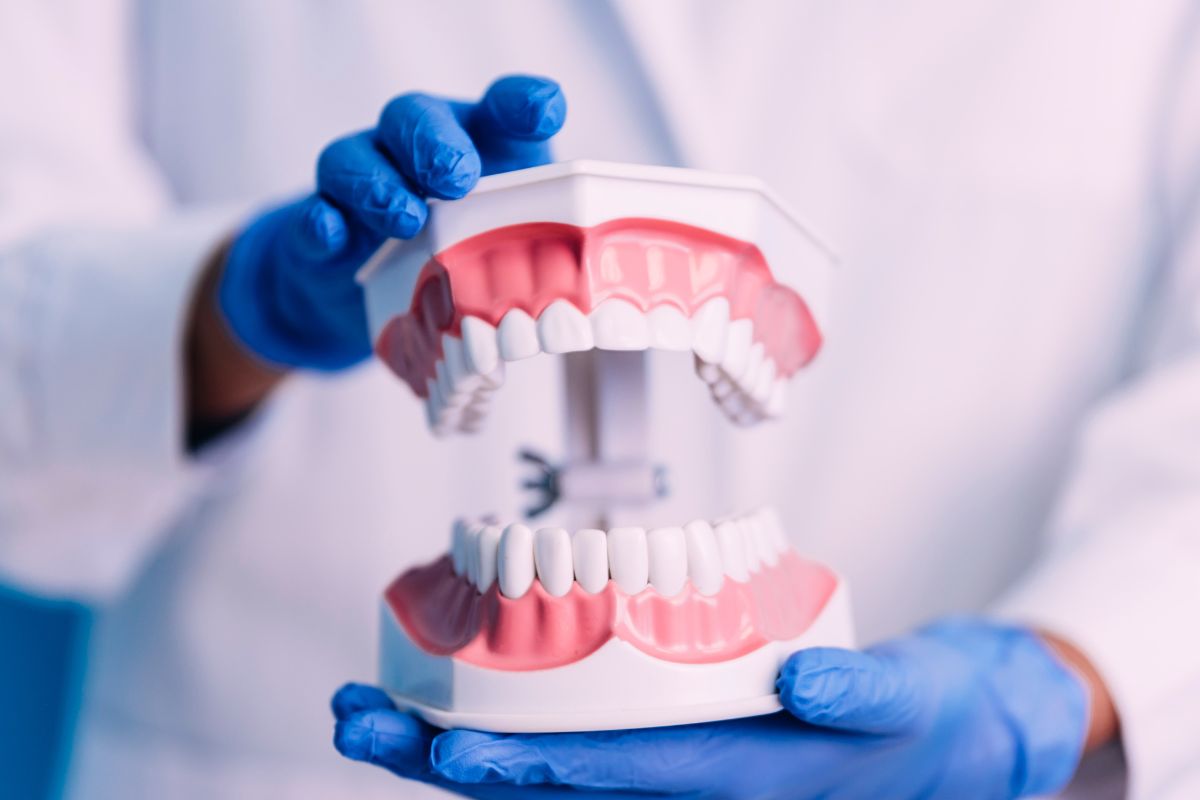
Losing one or more teeth can affect much more than the appearance of your smile. Missing teeth may make chewing certain foods difficult, affect how you speak, and change how comfortable you feel when smiling. Dentures can replace missing teeth and help restore everyday function, but there is no single type that is right for everyone.
The best option depends on how many teeth are missing, the condition of your remaining teeth and gums, your oral health, and your individual needs. Understanding the differences between available options can help you have a more informed conversation with your dental provider.
What Types of Dentures Are Available?
Dentures generally fall into a few main categories. The most appropriate choice depends on your specific pattern of tooth loss.
Full Dentures
Full dentures are designed for patients who have lost all or most of the teeth in an upper or lower arch. They replace an entire row of missing teeth and are supported by the surrounding oral tissues.
They can help restore chewing ability and provide support for the cheeks and lips. A properly fitted set can also create a more natural-looking smile.
Full dentures may be appropriate when remaining teeth are no longer healthy enough to preserve or when most teeth in an arch are already missing.
Partial Dentures
Partial dentures can be an option when you still have some healthy natural teeth. They replace missing teeth while fitting around the remaining teeth.
Depending on the design, partial dentures can help restore chewing function and prevent the remaining teeth from being left with large spaces between them.
They may be worth considering when several teeth are missing but a full denture is not necessary.
Immediate Dentures
Immediate dentures are designed to be placed soon after teeth are removed. In appropriate situations, this can allow you to have replacement teeth during the healing period instead of remaining without teeth.
Because your mouth changes as the tissues heal, adjustments may be needed as your gums and bone settle. Your provider can explain whether immediate dentures are appropriate based on your planned treatment.
How Do You Know Which Option You Need?
Several factors can influence the recommended option.
Consider How Many Teeth Are Missing
The number and location of missing teeth are important starting points. If an entire arch is missing teeth, a full denture may be considered. If only several teeth are missing and healthy teeth remain, a partial option may be more suitable.
Your provider can examine your mouth and determine which type can provide appropriate coverage and support.
Look at the Condition of Your Remaining Teeth
The health of your remaining teeth also matters. Strong, healthy teeth can provide important support for certain dental restorations.
If remaining teeth have extensive decay, damage, or gum problems, those concerns may need to be addressed before deciding on a denture option.
A comprehensive examination can help identify these issues and determine the best overall approach.
Consider Your Gum and Bone Health
Your gums and underlying bone provide important support for dentures. Changes in the jaw can occur after tooth loss, which may affect how a denture fits over time.
Your dental provider can assess the condition of your gums and supporting structures before recommending a treatment plan.
Think About Your Daily Needs
Your lifestyle and expectations also matter. You may want to improve your ability to chew certain foods, restore your smile, or feel more comfortable speaking.
Discussing your daily concerns with your dental team can help determine which option is most practical for you.
What Can You Expect When Getting Dentures?
Getting dentures typically involves an examination, treatment planning, and impressions or measurements of your mouth. These steps help your dental provider develop a restoration designed to fit your individual oral anatomy.
Once your dentures are ready, your provider will check their fit and make adjustments as needed. It may take some time to become comfortable wearing them, particularly if you have never worn dentures before.
You may initially notice increased saliva, minor irritation, or changes in how you speak. These issues often improve as you become accustomed to your new dentures.
How Can Dentures Improve Daily Life?
Replacing missing teeth can make everyday activities more comfortable. Dentures may help restore chewing function and improve speech affected by tooth loss.
They can also support facial appearance by helping fill areas that have lost the structure provided by natural teeth.
However, dentures are not a replacement for natural teeth in every respect. Proper care, regular dental visits, and appropriate adjustments are important for maintaining comfort and function.
What If You Are Missing Only a Few Teeth?
A full denture may not be necessary if you have several healthy natural teeth remaining. Partial dentures can replace selected missing teeth while keeping your remaining teeth in place. If you’re considering dentures Odessa, your provider can also discuss other tooth-replacement options based on your oral health, preferences, and treatment goals.
This is why a personalized examination is important. The number of missing teeth alone does not determine which option may be right for you.
Why Professional Evaluation Matters
Choosing dentures should not be based solely on appearance or cost. Your oral health, remaining teeth, gum condition, jaw structure, and long-term goals should all be considered.
If you are searching for dentures, a consultation can help you understand which options may be appropriate for your situation.
At Gold Standard Family Dental, your dental needs can be evaluated before developing a personalized plan for replacing missing teeth.
Find the Right Denture Option for Your Smile
The right denture depends on your pattern of tooth loss, oral health, remaining teeth, and personal goals. Full, partial, and immediate options can each serve different needs.
If you are considering replacing missing teeth, contact Gold Standard Family Dental to schedule an evaluation and discuss which denture option may be right for you.
Frequently Asked Questions
1. Are full dentures only for people who have lost all their teeth?
Not necessarily. They are generally used when most or all teeth in an arch are missing or cannot be predictably preserved. Your provider can determine whether they are appropriate for you.
2. Can partial dentures replace several missing teeth?
Yes. Partial dentures are designed to replace multiple missing teeth while fitting around healthy remaining teeth.
3. What are immediate dentures?
Immediate dentures are placed soon after teeth are removed. They can provide replacement teeth during the healing period, although adjustments may be needed as your mouth changes.
4. Will dentures feel natural?
There can be an adjustment period. With proper fitting and time, many patients become more comfortable wearing their dentures and using them for everyday activities.
5. How long do dentures last?
Their lifespan varies depending on wear, changes in your mouth, oral hygiene, and how well they are maintained. Regular evaluations can help determine when adjustments or replacement may be needed.
6. Should I get dentures if I still have some natural teeth?
Possibly. If multiple teeth are missing but healthy teeth remain, partial dentures may be an option. A dental examination is needed to determine whether they are suitable.