

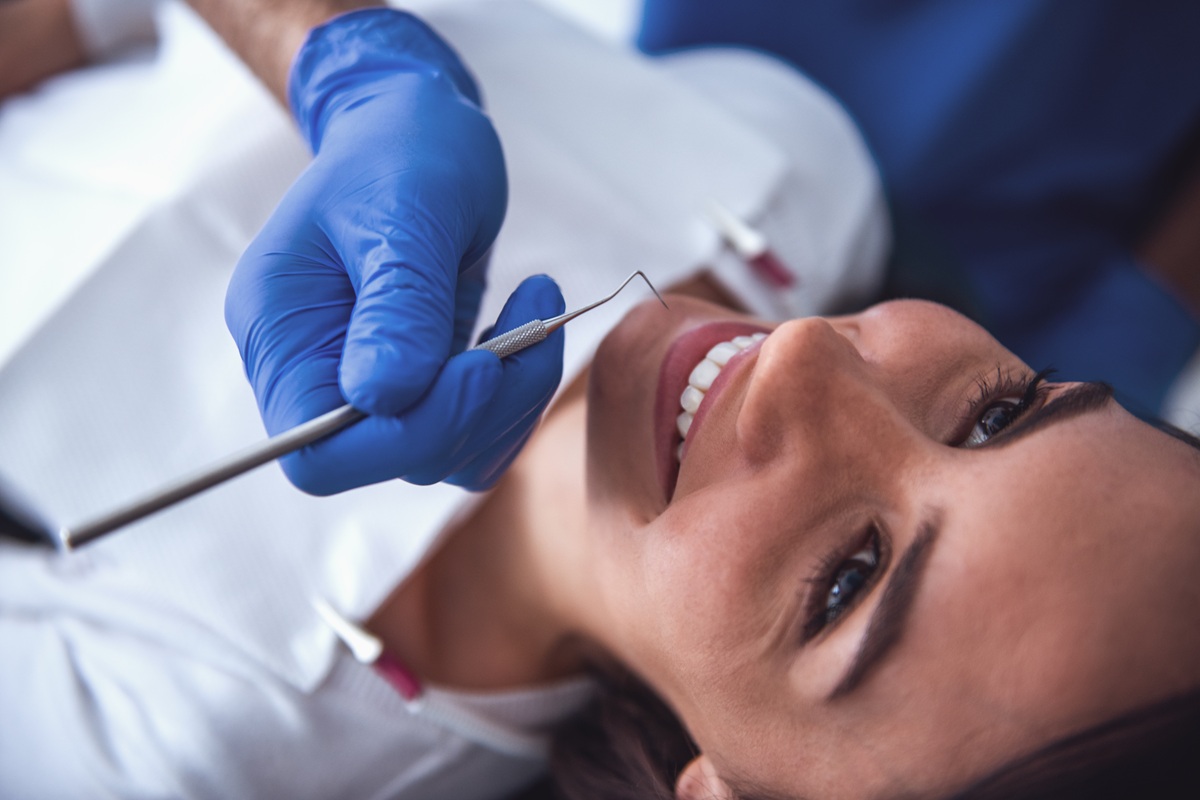
A healthy smile is about much more than appearance. It allows you to eat comfortably, speak clearly, and feel confident in everyday interactions. However, when damaged teeth, infections, injuries, or missing teeth affect your oral health, restoring your smile may require more than routine dental care. In these situations, surgical treatment can play a vital role in improving both function and appearance.
Many people associate oral surgery with complex procedures, but modern techniques are designed to make treatment safer, more comfortable, and highly effective. Whether you’re preparing for dental implants, removing severely damaged teeth, or addressing jaw-related concerns, the right treatment can help preserve your long-term oral health.
At Gold Standard Family Dental, we provide personalized surgical care using advanced techniques and a patient-first approach to restore comfort, function, and confidence in your smile. Our experienced team takes the time to explain every treatment option, ensuring you feel informed and supported throughout your care.
If you’re experiencing persistent dental pain, damaged teeth, or other concerns that may require surgical treatment, schedule a consultation with us to learn about the best options for restoring your oral health and smile.
Why Smile Restoration Sometimes Requires Surgery
Not every dental problem can be solved with fillings or crowns. Certain conditions affect the underlying structures that support your teeth, making surgical treatment the best option.
Your dentist may recommend surgery if you have:
- Teeth that cannot be repaired
- Advanced tooth infections
- Impacted wisdom teeth
- Significant bone loss
- Jawbone damage from trauma
- Preparation for dental implants
- Cysts or other oral abnormalities
Treating these issues early often prevents more extensive dental problems later.
How Oral Surgery Helps Restore Your Smile
Every patient’s needs are different, which is why treatment is always personalized. Surgical procedures are often performed to create a healthier foundation before restorative dentistry begins.
Some of the most common ways oral surgery restores your smile include:
Tooth Removal When Necessary
Although preserving natural teeth is always the priority, severely damaged or infected teeth sometimes cannot be saved. Removing the affected tooth eliminates pain, stops the spread of infection, and creates space for future restorative options like dental implants or bridges.
Dental Implant Preparation
Dental implants are one of the most reliable ways to replace missing teeth. Before an implant can be placed, the jawbone must be healthy enough to support it.
Depending on your condition, treatment may include:
- Tooth extraction
- Bone grafting
- Ridge preservation
- Sinus lift procedures (when appropriate)
These procedures improve the stability and long-term success of implant treatment.
Wisdom Tooth Removal
Wisdom teeth frequently become impacted because there isn’t enough room for them to erupt properly. Left untreated, they may cause:
- Pain
- Swelling
- Infection
- Damage to nearby teeth
- Difficulty cleaning surrounding areas
Removing problematic wisdom teeth helps protect your overall oral health while preventing future complications.
Bone Grafting
Healthy jawbone is essential for maintaining facial structure and supporting replacement teeth.
Bone grafting may be recommended if bone loss has occurred because of:
- Missing teeth
- Gum disease
- Dental trauma
- Long-term tooth loss
This procedure strengthens the jaw and prepares it for future restorative treatment.
More Than Cosmetic Benefits
Restoring your smile is not just about improving appearance. Surgical treatment often provides lasting functional benefits that improve daily life.
These benefits may include:
- Easier chewing and eating
- Improved speech
- Better bite alignment
- Reduced discomfort
- Prevention of additional tooth loss
- Improved overall oral health
- Greater confidence when smiling
When the underlying dental problem is addressed properly, the results often extend far beyond aesthetics.
What to Expect During Treatment
Many patients postpone treatment because they worry surgery will be painful or complicated. Fortunately, advances in dental technology have made procedures more comfortable than ever.
Your treatment typically includes:
- A comprehensive dental examination
- Digital imaging for accurate diagnosis
- A personalized treatment plan
- Local anesthesia or sedation options, when appropriate
- Detailed aftercare instructions for smooth healing
Most patients are pleasantly surprised by how manageable both the procedure and recovery can be.
Recovery Tips for Better Healing
Following your dentist’s instructions plays a major role in achieving the best results.
After surgery, you can support healing by:
- Resting during the first 24 hours
- Applying cold packs to reduce swelling
- Eating soft foods for several days
- Drinking plenty of water
- Avoiding smoking or tobacco use
- Taking prescribed medications as directed
- Keeping follow-up appointments
A successful recovery creates the foundation for long-lasting oral health.
When Should You Consider Surgical Treatment?
You shouldn’t ignore ongoing dental discomfort or functional problems. Schedule an evaluation if you experience:
- Persistent tooth pain
- Swollen or bleeding gums around one tooth
- Loose teeth
- Difficulty chewing
- Jaw pain
- Missing teeth affecting your bite
- Recurring infections
- Wisdom tooth discomfort
Early diagnosis often means simpler treatment and better outcomes.
Caring for Your Smile After Surgery
Once your smile has been restored, maintaining your oral health becomes much easier.
Simple habits make a significant difference:
- Brush twice daily
- Floss every day
- Attend regular dental checkups
- Wear a mouthguard during sports
- Address dental problems before they worsen
- Maintain a balanced diet
These everyday habits help protect your investment in your smile.
Local Care You Can Trust
Families throughout Odessa appreciate dental care that combines modern technology with personalized attention. Having access to experienced professionals close to home means less travel, easier follow-up visits, and treatment plans designed around your schedule.
Whether you’re dealing with a damaged tooth, preparing for implants, or managing wisdom tooth concerns, receiving timely care can help prevent more complex problems in the future.
At Gold Standard Family Dental, we focus on restoring healthy, functional smiles with personalized treatment plans tailored to every patient’s needs. If you’re considering oral surgery in Odessa, our experienced team is here to answer your questions, explain every step of the process, and help you regain the comfort and confidence that come with a healthy smile.
Schedule your consultation with Gold Standard Family Dental today and take the first step toward restoring your smile with personalized, compassionate care.
Frequently Asked Questions
Is oral surgery always the last option?
Not always. While conservative treatments are preferred whenever possible, surgery is sometimes the safest and most effective solution for protecting your long-term oral health.
Does oral surgery hurt?
Modern anesthesia and sedation techniques help keep patients comfortable during treatment. Mild soreness afterward is normal and can usually be managed with recommended medications and home care.
How long does recovery take?
Recovery depends on the procedure. Many patients return to normal daily activities within a few days, although complete healing may take several weeks.
Can I replace a tooth after extraction?
Yes. Dental implants, bridges, or dentures are common options after healing. Your dentist will recommend the best solution based on your oral health.
How do I know if I need oral surgery?
Persistent pain, damaged teeth, infections, impacted wisdom teeth, or significant bone loss are all reasons to schedule an evaluation with your dentist.