

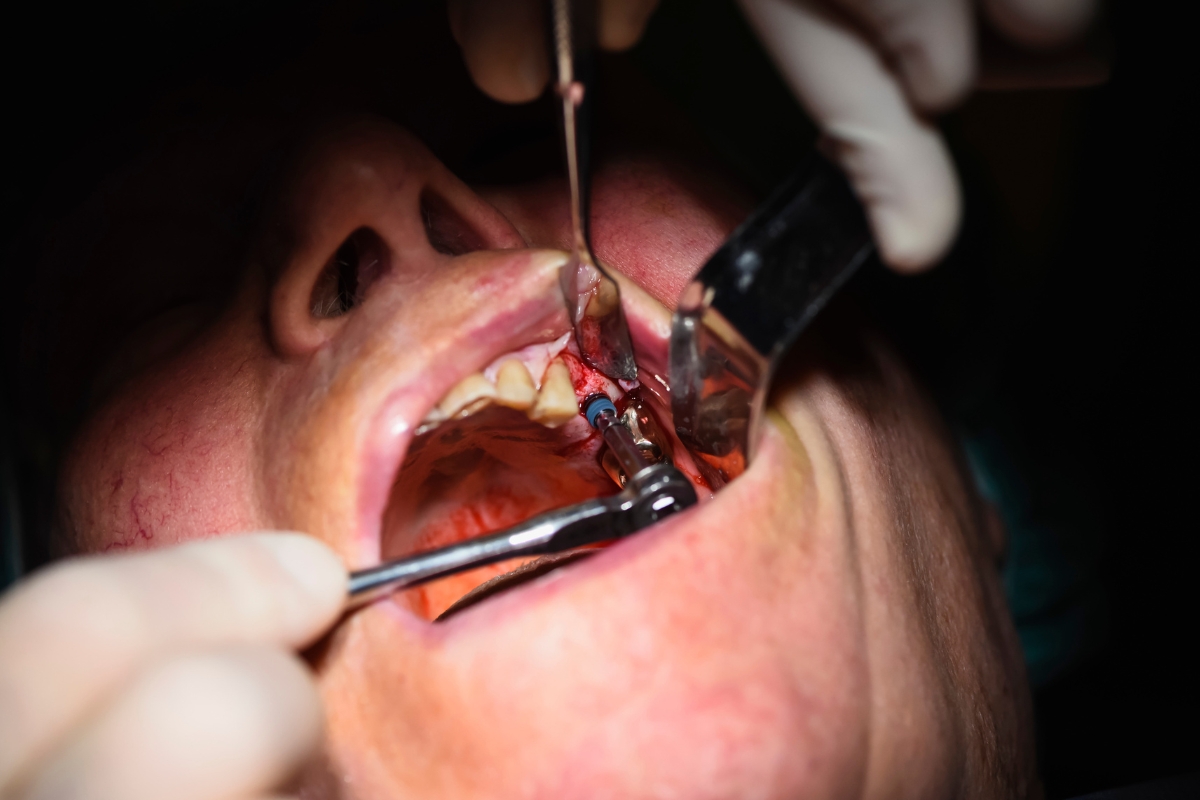
Hearing the words “oral surgery” can create uncertainty. Many patients immediately think of complex procedures or long recovery periods. In reality, this procedure includes a range of carefully planned treatments designed to protect your oral health. It will relieve discomfort and restore long-term function.
For Odessa residents, your oral health plays an important role in your daily comfort and confidence. Whether you’re enjoying a show at the Wagner Noel Performing Arts Center, spending time at McKinney Park, or working throughout the Permian Basin. If you’re researching oral surgery Odessa, understanding when surgical care is recommended. Learn what modern treatment involves can help ease concerns and provide clarity.
With today’s advanced technology, specialized training, and patient-centered planning, this method is safer, more precise, and more comfortable than many people expect. Knowing what to anticipate allows you to move forward with greater confidence and peace of mind.
What Is Oral Surgery?
This method refers to specialized dental procedures performed to treat conditions affecting the teeth, gums, jawbone, and surrounding structures. These treatments may address infection, structural damage, impacted teeth, or preparation for restorative solutions such as dental implants. It is typically recommended when conservative treatments are no longer sufficient to resolve the issue safely and effectively.
Common Signs Oral Surgery May Be Necessary
Not every dental concern requires surgery. However, certain symptoms and conditions indicate that surgical intervention may be the most appropriate course of action.
1. Persistent Tooth Pain or Infection
Severe or recurring pain may signal a deep infection that has reached the pulp or surrounding bone. When root canal therapy cannot resolve the issue, or when a tooth is too damaged to be restored. In these situations, surgical extraction may be necessary to prevent the spread of infection.
2. Impacted Wisdom Teeth
Wisdom teeth often lack adequate space to erupt properly. Impacted teeth can cause swelling, discomfort, jaw stiffness, or infection. Surgical removal may prevent future complications and protect neighboring teeth.
3. Advanced Gum Disease
Periodontal disease can damage the bone supporting teeth. In advanced stages, surgical procedures such as pocket reduction or bone grafting may be required to stabilize oral health.
4. Jaw Pain or Structural Concerns
Chronic jaw discomfort, bite misalignment, or structural irregularities may require surgical evaluation, particularly when non-surgical treatments have not provided relief.
5. Severe Tooth Damage
A tooth that is fractured below the gum line or structurally compromised beyond repair may require surgical removal to preserve surrounding tissue.
6. Preparation for Dental Implants
When bone loss has occurred, bone grafting may be necessary before implant placement. This surgical procedure strengthens the jaw and creates a stable foundation for long-term restoration.
Prompt evaluation of these symptoms supports early intervention and better outcomes.
Types of Oral Surgery Procedures
This method encompasses several treatment options, depending on individual needs.
1. Tooth Extractions
Surgical extraction is recommended when a tooth cannot be restored. This includes impacted wisdom teeth, severely decayed teeth, or fractured teeth below the gum line.
2. Wisdom Tooth Removal
Impacted or partially erupted wisdom teeth can trap bacteria and lead to infection or cyst formation. Surgical removal helps prevent crowding and long-term complications.
3. Dental Implant Surgery
Implants replace missing teeth by placing a titanium post into the jawbone. This minor surgical procedure supports a natural-looking, stable restoration.
4. Bone Grafting
Bone grafting rebuilds areas of bone loss, often in preparation for implants. Modern grafting materials promote predictable healing and regeneration.
5. Soft Tissue Procedures
Certain cases of advanced gum disease or tissue irregularities may require surgical correction to restore health and comfort.
Each procedure is carefully planned based on diagnostic imaging and clinical findings.
What to Expect During Oral Surgery?
Modern dental surgery prioritizes patient safety and comfort. Advanced practices use digital diagnostics and evidence-based protocols to ensure precision.
1. Comprehensive Evaluation
Before recommending surgery, a thorough examination is performed. This may include:
- Digital X-rays
- 3D cone beam imaging (CBCT)
- Bite and jaw assessment
- Review of medical history
Clear communication regarding risks, benefits, and alternatives is part of ethical treatment planning.
2. Anesthesia and Sedation Options
Sedation is typically used to numb the treatment area. For patients with anxiety or complex cases, sedation options may be available to enhance comfort.
3. Procedure Duration
Many procedures are completed within one visit. Recovery instructions are provided to support healing and minimize complications.
Recovery and Healing After Oral Surgery
Healing timelines after the surgery can vary depending on the type and complexity of the procedure performed. Most patients experience mild swelling or tenderness for a few days, which is a normal part of the healing process. Post-operative care may include:
- Applying cold compresses to reduce swelling
- Taking prescribed or over-the-counter pain medication as directed
- Following a temporary soft-food diet
- Practicing gentle but consistent oral hygiene
Carefully following your post-operative instructions supports predictable healing and minimizes complications. Scheduled follow-up visits with your Odessa oral surgery provider ensure recovery is progressing as expected. It will give you an opportunity to address any questions or concerns.
Safety and Technology in Modern Oral Surgery
Advancements in dental technology have significantly improved surgical precision and outcomes.
In Odessa, TX, modern practices may incorporate:
- 3D imaging for detailed bone assessment
- Computer-guided implant placement
- Minimally invasive surgical techniques
- Digital treatment planning
These technologies allow accurate diagnosis, reduced surgical time, and improved healing predictability.
Reducing Anxiety Around Oral Surgery
Uncertainty often increases anxiety. Education and transparency help reduce stress. Clear explanations of the procedure, recovery expectations, and available comfort options create reassurance. These procedures are routine and performed safely every day in dental practices across the country. Open discussion of concerns and realistic expectations supports a calm and informed experience.
When to Seek an Evaluation?
Delaying treatment can sometimes allow conditions to worsen. Evaluation is recommended when experiencing:
- Ongoing dental pain
- Swelling in the gums or jaw
- Difficulty chewing
- Impacted or partially erupted wisdom teeth
- Missing teeth requiring replacement
- Signs of infection, such as redness or drainage
Early assessment often allows for more conservative and efficient treatment planning.
Frequently Asked Questions
1. Is oral surgery painful?
Sedation helps keep you comfortable during the procedure. It’s normal to experience some mild soreness afterward. However, don’t worry; it can be easily managed by following the provided care instructions.
2. How long does recovery take?
Most minor procedures typically heal within one to two weeks. However, remember, the healing process can vary based on the complexity of the treatment and your overall health. It’s always best to follow your healthcare provider’s guidance for the best results.
3. Are dental implants considered oral surgery?
Absolutely! Implant placement is a straightforward surgical procedure that carefully positions the implant into your jawbone, making the process smooth and stress-free.
4. Is oral surgery safe?
When done by a talented dental expert using the newest technology and following the right procedures. This method is generally safe and often quite simple.
Take the First Step for Your Oral Surgery
Oral surgery becomes necessary when structural damage, infection, impacted teeth, or bone loss cannot be effectively treated through non-surgical methods. With careful diagnosis, advanced technology, and patient-centered planning, these procedures are designed to protect long-term oral health and restore comfort.
For individuals exploring oral surgery in Odessa, whether you spend weekends at the Ellen Noel Art Museum or enjoy time at Sherwood Park, informed decision-making begins with a comprehensive evaluation. An open discussion about your treatment options is essential. Modern surgical dentistry prioritizes safety, precision, and predictable outcomes, helping patients move forward with clarity, confidence, and peace of mind.