

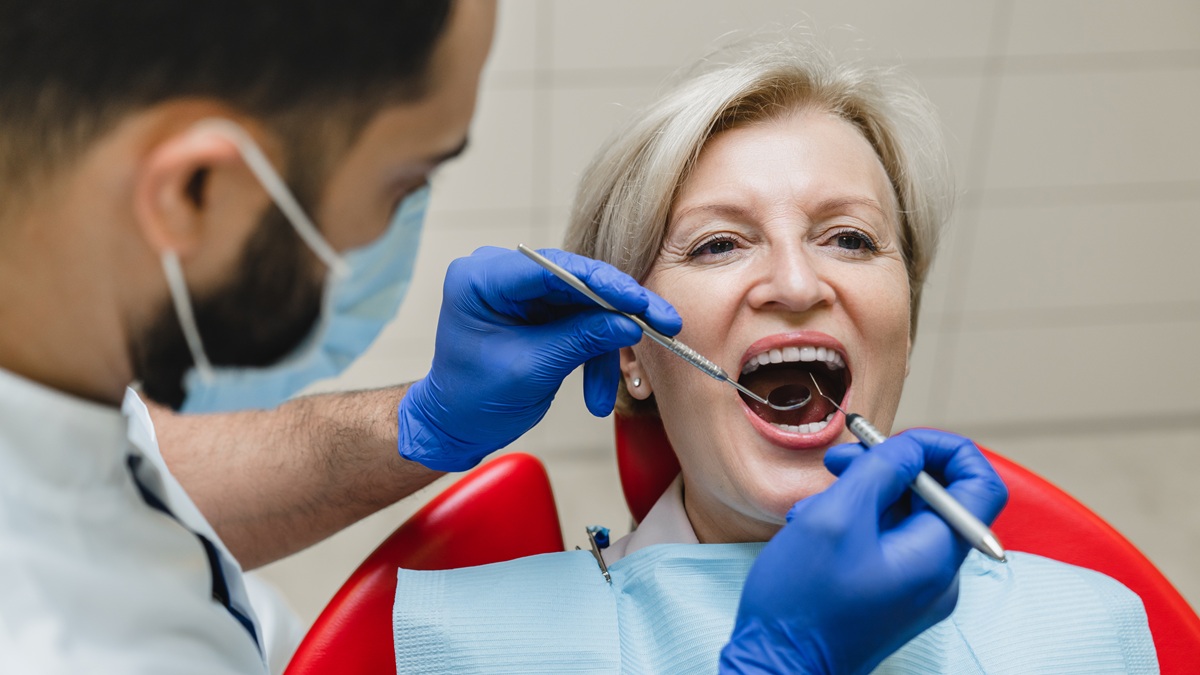
Most dental problems can be treated with preventive care or restorative procedures. However, there are times when delaying treatment can lead to severe pain, infection, or permanent damage. In these situations, oral surgery may be the most effective way to protect your long-term oral health.
At Gold Standard Family Dental, we believe patients should understand why a surgical procedure is recommended and how it benefits their smile. Our experienced team provides personalized treatment plans focused on preserving your comfort, function, and overall dental health.
If you’re experiencing persistent dental pain or have been advised that you may need oral surgery, contact us today to schedule a consultation and learn about the treatment options that are right for you.
What Is Oral Surgery?
Oral surgery includes procedures that treat conditions affecting the teeth, gums, jaw, and surrounding tissues. While the word “surgery” may sound intimidating, many treatments are routine, minimally invasive, and performed with patient comfort in mind.
Your dentist will only recommend oral surgery when it offers the safest and most predictable solution for restoring your oral health.
Signs You May Need Oral Surgery
Every patient’s situation is unique, but some common signs indicate that a surgical procedure may be the best option.
1. A Severely Damaged Tooth
Sometimes a tooth is too badly fractured or decayed to be repaired with a filling or crown. Removing the damaged tooth may prevent infection from spreading to nearby teeth and bone.
Your dentist will also discuss replacement options such as dental implants or bridges to restore your smile.
2. Impacted Wisdom Teeth
Wisdom teeth don’t always have enough room to erupt properly. They may remain trapped beneath the gums or grow at an angle, causing:
- Jaw pain
- Swollen gums
- Repeated infections
- Damage to neighboring teeth
- Difficulty cleaning the area
Removing impacted wisdom teeth often prevents future complications before they become more serious.
3. Persistent Tooth Infection
A root canal can save many infected teeth, but not every tooth can be restored successfully.
When infection continues despite treatment—or when the tooth cannot be saved—removing it may protect the surrounding bone and healthy teeth.
4. Advanced Gum Disease
Severe periodontal disease can damage both the gums and supporting bone.
In some cases, surgical treatment is recommended to:
- Remove infected tissue
- Reduce deep gum pockets
- Improve healing
- Help preserve remaining teeth
Treating advanced gum disease early may reduce the risk of tooth loss.
5. Jaw Pain or Bone Problems
Chronic jaw discomfort, facial trauma, or abnormalities involving the jawbone sometimes require surgical care.
A thorough examination helps determine whether surgery or another treatment option will provide the best outcome.
Why Waiting Can Make the Problem Worse
Many people postpone treatment because they hope the pain will disappear on its own.
Unfortunately, dental problems rarely improve without professional care. Waiting may lead to:
- Larger infections
- Increased pain
- Tooth loss
- Bone deterioration
- More complex and expensive treatment
Early diagnosis often means simpler treatment and a smoother recovery.
What Happens During Your Consultation?
Before recommending surgery, your dentist will perform a comprehensive evaluation that may include:
- Digital X-rays
- A complete oral examination
- Review of your medical history
- Discussion of symptoms and treatment goals
You’ll receive a clear explanation of your options, expected recovery, and any alternative treatments that may be appropriate.
Our goal is to help you make an informed decision with confidence.
Modern Oral Surgery Is More Comfortable Than Ever
Many patients are surprised by how comfortable today’s procedures have become.
Modern techniques, advanced imaging, and effective local anesthesia help minimize discomfort while improving precision.
Following your procedure, you’ll receive detailed aftercare instructions to promote healing and reduce the risk of complications.
Protecting Your Smile After Surgery
Recovery doesn’t end when the procedure is complete.
To support healing:
- Follow all post-operative instructions carefully.
- Take prescribed medications as directed.
- Eat soft foods during the initial recovery period.
- Avoid smoking or using tobacco products.
- Keep the surgical area clean according to your dentist’s recommendations.
- Attend all follow-up appointments.
Good aftercare plays an important role in achieving the best possible outcome.
Local Care You Can Trust
Choosing a local dental team means receiving care from professionals who understand the needs of families in the Odessa community. Whether you’re dealing with sudden tooth pain, impacted wisdom teeth, or another complex dental issue, timely treatment can help prevent future complications and get you back to your daily routine sooner.
At Gold Standard Family Dental, we focus on compassionate care, clear communication, and personalized treatment plans designed around each patient’s needs.
If you’ve been experiencing ongoing dental pain or have been told you may need surgery, don’t wait for the problem to become more serious. Schedule a consultation with our team to learn whether oral surgery is the right solution for protecting your smile.
Take the Next Step Toward Better Oral Health
Ignoring persistent dental pain or infection can lead to more serious problems over time. If you’re experiencing symptoms that may require surgical treatment, the team at Gold Standard Family Dental is here to help. We’ll evaluate your condition, explain every option clearly, and create a personalized treatment plan focused on protecting your long-term oral health. Contact us today to schedule your consultation and take the first step toward a healthier, more comfortable smile.
Frequently Asked Questions
Is oral surgery always the last option?
Not always. While dentists prefer conservative treatments whenever possible, surgery may be the safest and most effective solution for certain conditions, especially when infection, severe damage, or impacted teeth are involved.
How long does recovery usually take?
Recovery varies depending on the procedure. Many patients return to normal activities within a few days, while more complex treatments may require additional healing time.
Will I be awake during the procedure?
Many oral surgery procedures are performed using local anesthesia. Your dentist will discuss sedation options if they are appropriate for your treatment.
Is it safe to delay recommended oral surgery?
Delaying treatment can allow infections or other dental problems to worsen. It’s best to discuss the risks of waiting with your dentist before making a decision.
How do I know if surgery is the right choice?
A comprehensive dental examination, along with digital imaging and a discussion of your symptoms, will help determine the most appropriate treatment for your situation.